About me

Associate Researcher C at the Institute of Neurobiology (INB), UNAM, Juriquilla campus (Querétaro), since July 2023, in the Genomics of Regeneration laboratory of Dr. Alfredo Varela-Echavarría. I study the cellular and molecular mechanisms of regeneration in terrestrial gastropods, combining genomics, transcriptomics, bioinformatics and image analysis.

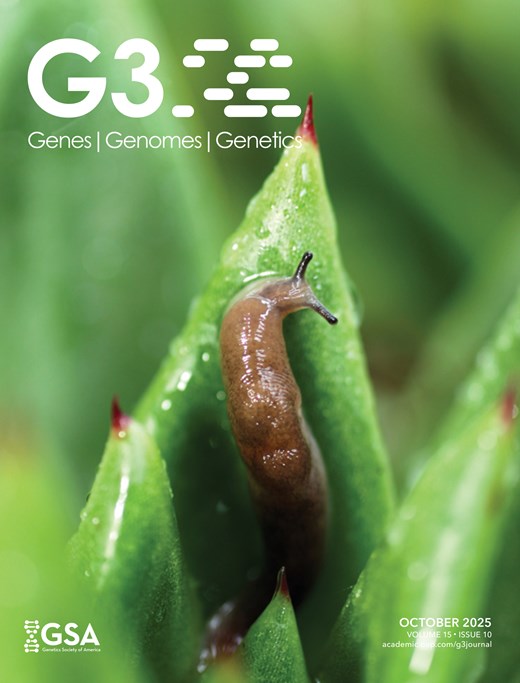
I led the sequencing and chromosome-level assembly of the genome of the slug Deroceras laeve, published as a cover article in G3: Genes, Genomes, Genetics (2025), which establishes this species as a comparative model of regeneration. My work relies on open tools and data so that other labs can join the study of mollusc regeneration.

ORCID Google Scholar INB profile

Research lines

My career follows a single arc: from computational genomics to developmental and regenerative biology, always with a quantitative approach. Today this work focuses on building an open, comparative gastropod model of regeneration.

Regeneration in terrestrial gastropods

Cellular and molecular dissection of regeneration in the land slug Deroceras laeve, a new experimental model.

Comparative genomics of Lophotrochozoa

Chromosome-level genome, transcriptomes and an anatomical atlas as open resources for the community.

Wnt / R-spondin–LGR5 signalling

Functional study of the R-spondin/LGR5 pair in D. laeve, until recently thought to be exclusive to vertebrates.

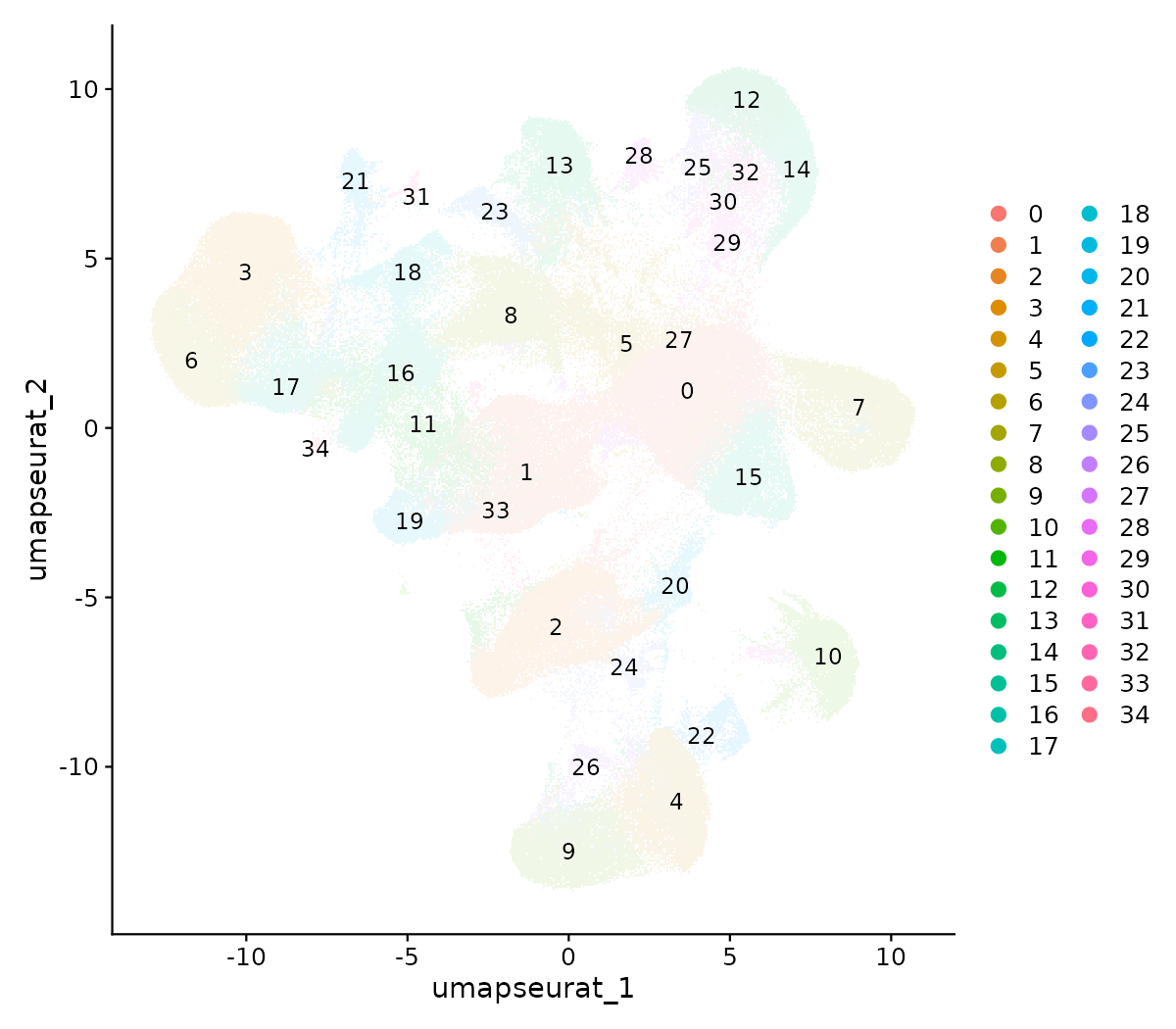
Single-cell & spatial transcriptomics

Cell-resolution and spatial transcriptomics applied to the regenerating tissue.

Publications

Selected peer-reviewed work. Full list on ORCID and Google Scholar.

G3 cover: chromosome-level genome of Deroceras laeve

Chromosome-level genome of the slug Deroceras laeve

Miranda-Rodríguez JR, et al. (2025). The chromosome-level genome assembly of the slug Deroceras laeve facilitates its use as a comparative model of regeneration. G3: Genes, Genomes, Genetics. First author and cover article. Data at NCBI: BioProjects PRJNA1035784 and PRJNA1237345.

Learn more (Article) SlugAtlas (3D histology)
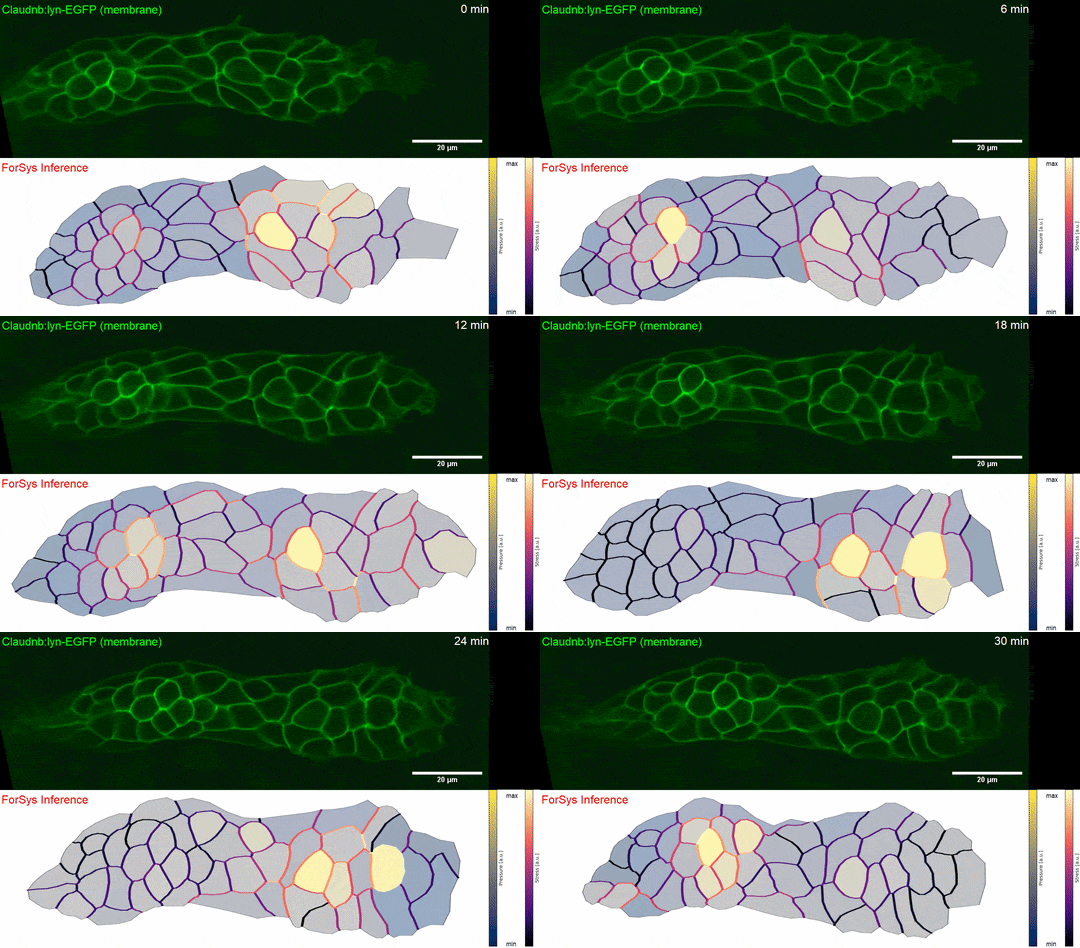
ForSys: non-invasive force inference from tissue videomicroscopy

ForSys: non-invasive force inference

Borges A, Miranda-Rodríguez JR, et al. (2025). ForSys infers mechanical stresses in tissues from videomicroscopy; open-source Python tool with an ImageJ plug-in. iScience 28(11). Second author. A companion STAR Protocols paper is now published.

Learn more (Article) STAR Protocols (Protocol)

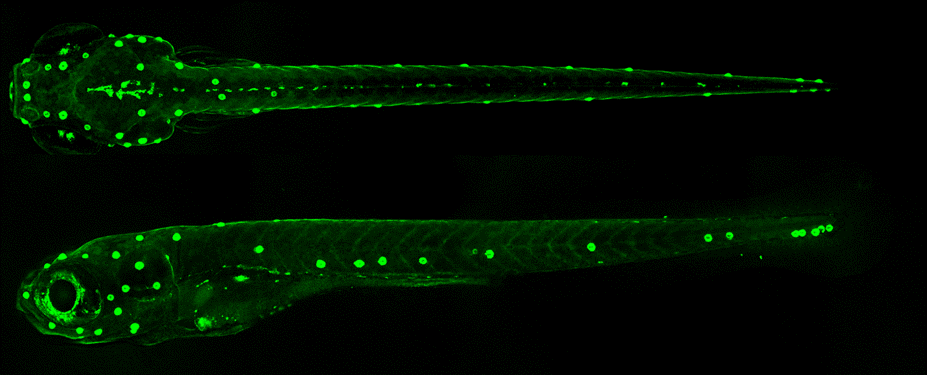
Local control of proliferation in neuromast regeneration

Lavalle NG, Miranda-Rodríguez J, et al. (2026). Local control of cell proliferation during neuromast regeneration in the zebrafish. Journal of Theoretical Biology. Second author.

Learn more (Article)

Emergence of planar bipolarity in hair cells

Kozak EL, Palit S, Miranda-Rodríguez JR, et al. (2020). Quantitative video microscopy reveals the emergence of planar bipolarity in neuromast hair cells. Current Biology.

Learn more (Article)

Perspective on hair-cell regeneration in the zebrafish

Miranda-Rodríguez J & López-Schier H (2024). Perspective on hair-cell regeneration in the zebrafish. Development.

Learn more (Article)

Other publications

  • Borges A, Miranda-Rodríguez J, et al. (2024). Branchio-oto-renal syndrome. microPublication Biology.
  • In preparation: methylome / lncRNAs in D. laeve amputation (WGBS); functional R-spondin/LGR5 in D. laeve.

Funding

As principal investigator (responsable técnico):

  • PAPIIT DGAPA-UNAM IA206324 (2024–2025) — first project as PI; establishment of the regeneration line in D. laeve.
  • PAPIIT DGAPA-UNAM IA206126 (2026–2027, approved) — cell-resolution transcriptomic atlas to consolidate a gastropod model of regeneration (single-cell RNA-seq and spatial transcriptomics).
  • Participant in the PAPIIT of Dr. Alfredo Varela-Echavarría (2025–2026).

Join the lab

The Genomics of Regeneration lab at INB-UNAM (Juriquilla) welcomes students interested in regeneration, genomics, transcriptomics and quantitative biology. There are openings at every level:

  • Social service (servicio social)
  • Professional practices and residencies (prácticas profesionales / residencia)
  • Summer research internships (e.g. Verano de la Ciencia)
  • Bachelor's, master's and PhD theses

Students from a range of institutions (UAQ, TecNM, UASLP and others) have trained in the group. If you are interested, get in touch.

Previous scientific work

A collection of the work I did during my PhD (Cuernavaca, Mexico) and post-doc (Munich, Germany).

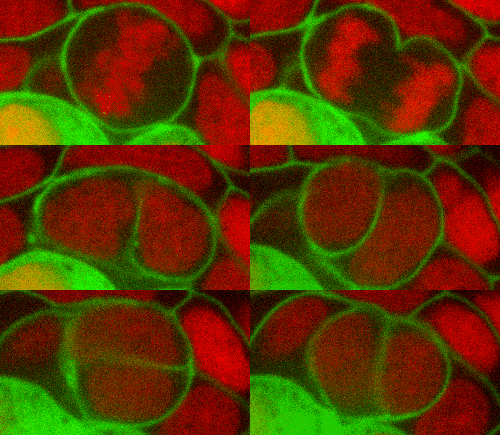
Planar cell rotations

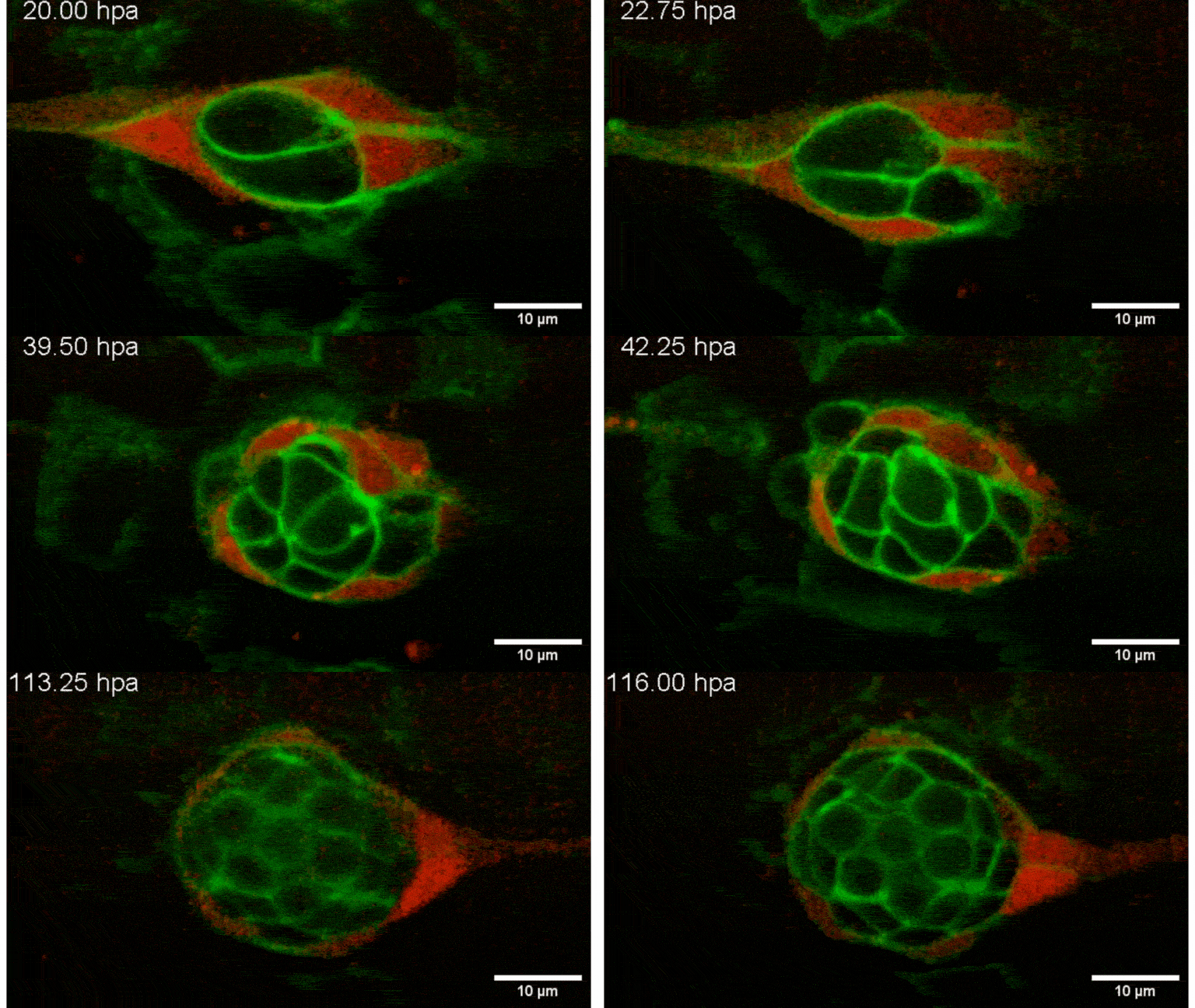
Cells in the zebrafish rotate 180° right after dividing. We examined this process from microscopy video like the above using machine learning image segmentation, logistic regression and network analysis. We published our findings in Development under open access. Go check it out!

Learn more (Article) Learn more (GitLab Repo) Twitter spotlight

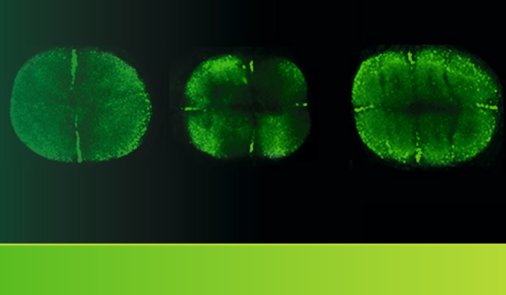
Germline development in the zebrafish

Barely a few hours after fertilization, the cells that will give rise to gametes in the zebrafish have already been specified. In a strange sort of fractal way, the fertilized egg segregates messenger RNAs to specific granules to determine the next generation's eggs (or sperm). I did this for my PhD work in Cuernavaca.

Article Developmental Biology (Open access) Book Chapter (Paywall)

Data-analysis projects

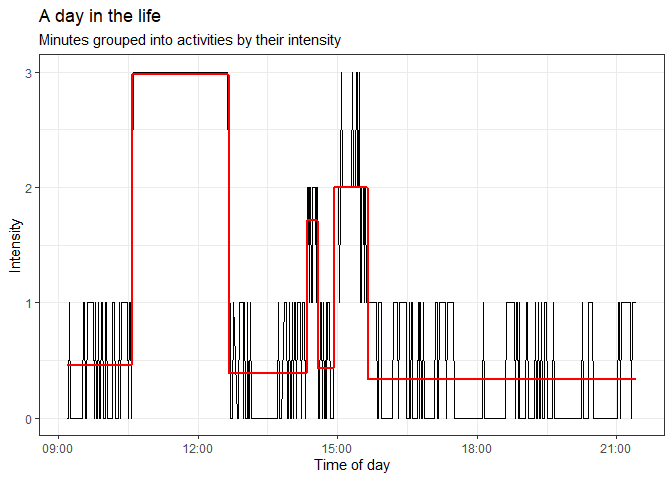
Fit-bit data analysis. Analyzing fitness tracker data to gain insights into usage trends — the kind of activities people do when wearing fitbits, like walking, running or sleeping, and how these affect wellbeing.

Ringtail (cacomixtle) geographic distribution. Mining the geographic distribution of this charismatic North-American mammal from the GBIF database with the rgbif API, with maps of its presence in North America and Mexico City.

Fit-bit repo Cacomixtle repo